
What Is Split System Air Conditioning?
A split system air conditioner is a heating and cooling system consisting of two main components: an indoor unit and an outdoor unit.
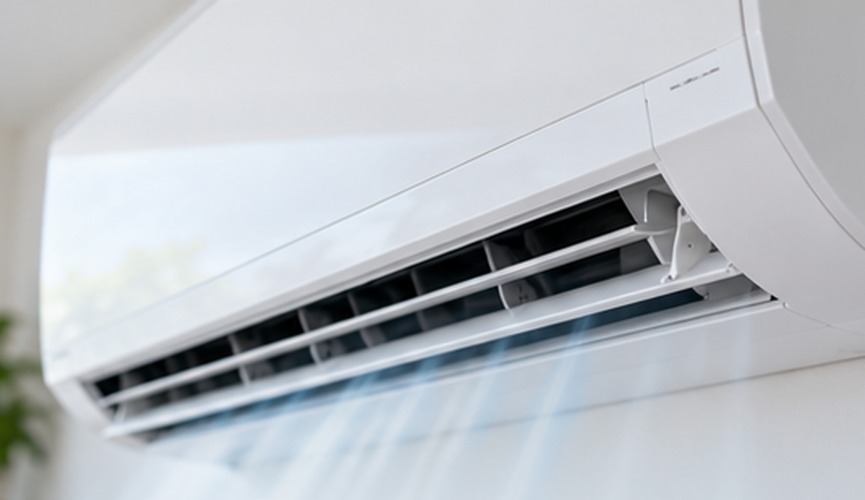
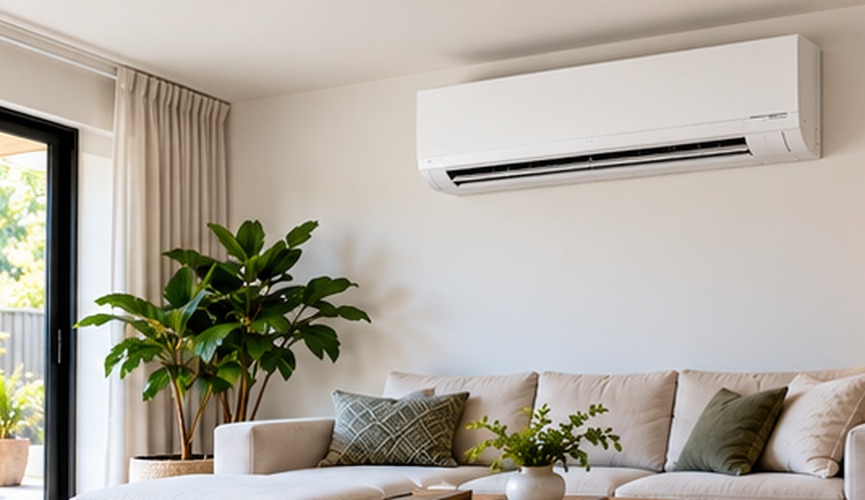
The indoor unit is generally mounted on a wall and delivers conditioned air into the room. The outdoor unit contains the compressor and other components that help transfer heat between the indoor and outdoor environments.
Unlike traditional window-mounted air conditioners, split systems separate the indoor and outdoor components, helping reduce indoor operating noise while providing effective temperature control.
Most modern split system air conditioning systems feature inverter technology and reverse cycle functionality, meaning they can provide both heating and cooling from the same unit.
These systems are particularly suitable for bedrooms, living rooms, home offices, apartments and individual commercial spaces.
How Does Split System Air Conditioning Work?
Split system air conditioning operates using refrigeration technology to transfer heat from one location to another.
During summer, the indoor unit absorbs heat from the room and transfers it outside through the refrigerant circuit. The system then circulates cooled air throughout the indoor space.
During winter, a reverse cycle split system reverses this process, extracting heat from outside air and transferring it indoors.
Main Components of a Split System
Indoor Unit: Distributes heated or cooled air and contains filters that help capture airborne particles.
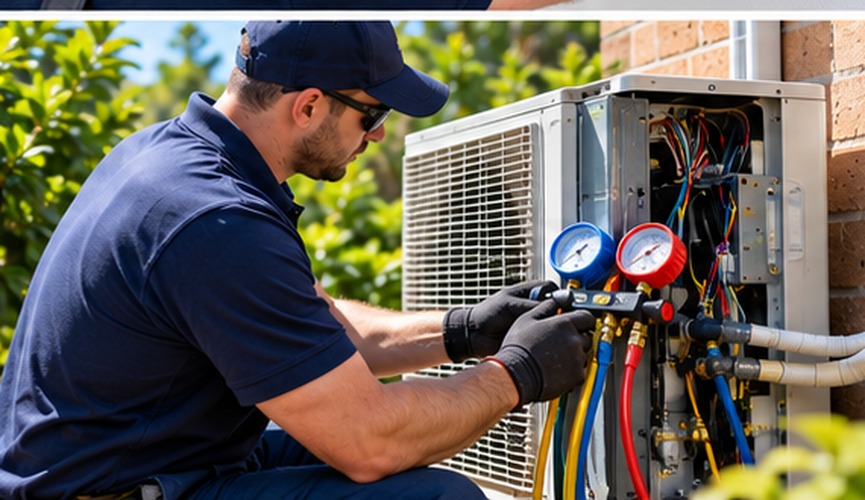
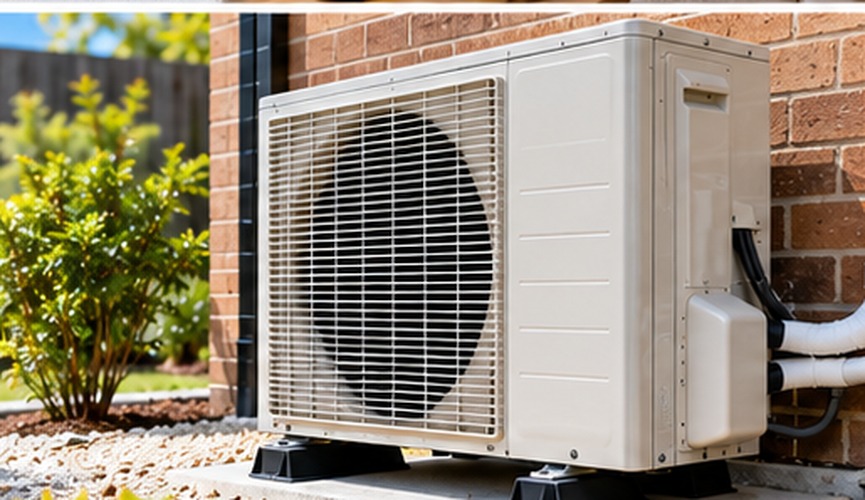
Outdoor Unit: Houses the compressor and outdoor heat exchanger responsible for transferring heat.
Refrigerant Pipework: Connects the indoor and outdoor units, allowing refrigerant to circulate between them.
Remote or Smart Controls: Allow users to adjust temperature, fan speed, operating modes and scheduling.
Because heat pump technology transfers heat rather than relying solely on electric resistance heating, reverse cycle systems can provide efficient indoor temperature control.
Top Benefits of Split System Air Conditioning
Split system air conditioning offers several advantages for Australian homes and businesses.
1. Energy-Efficient Heating and Cooling
One of the biggest advantages of split system air conditioning is energy efficiency.
Modern inverter air conditioners automatically adjust compressor output according to the room’s heating or cooling requirements.
Instead of repeatedly operating at full capacity, the system can reduce its output once the desired temperature is approached.
This helps maintain consistent indoor temperatures and can reduce unnecessary electricity consumption.
Choosing an appropriately sized, energy-efficient model can help manage household energy costs throughout the year.
2. Year-Round Comfort With Reverse Cycle Technology
Australia experiences different climate conditions across its regions, making heating and cooling equally important in many areas.
Reverse cycle split system air conditioners provide both functions in one convenient system.
During warmer months, they remove heat from indoor spaces. During colder months, they transfer heat indoors to provide comfortable heating.
For households in Canberra and Queanbeyan, where winters can be particularly cold, reverse cycle air conditioning offers a practical alternative to maintaining separate heating and cooling appliances.
3. Lower Installation Costs Compared With Ducted Systems
Split system air conditioners generally have lower upfront installation costs than whole-home ducted air conditioning.
They require less extensive infrastructure because they do not need ceiling ductwork to distribute air throughout the property.
This makes them an appealing solution for homeowners who want to heat or cool specific rooms without investing in a complete ducted system.
4. Quiet and Comfortable Operation
Modern split systems are designed to operate quietly, particularly at lower fan speeds.
Because the compressor is located outdoors, indoor noise levels are generally lower than those of some older window-mounted air conditioning systems.
This makes split system air conditioning suitable for bedrooms, offices, nurseries and other areas where a quieter environment is desirable.
5. Flexible Installation Options
Split systems can be installed in many residential and commercial properties, provided there is a suitable location for both units and the required services.
They are ideal for individual rooms, home extensions, apartments and properties where installing extensive ductwork may not be practical.
For homes requiring temperature control in multiple rooms, a multi-split system or multiple individual split systems may also be considered.
6. Convenient Temperature Control
Many modern split system air conditioners include timers, sleep modes, adjustable fan speeds and programmable temperature settings.
Selected models also offer Wi-Fi connectivity, allowing homeowners to control their air conditioning through compatible smartphone applications.
These features make everyday temperature management more convenient and can help reduce unnecessary operation.
How Much Does Split System Air Conditioning Cost in Australia?
The cost of split system air conditioning in Australia depends on the system’s capacity, brand, energy efficiency and installation requirements.
In 2026, a standard residential split system typically costs approximately $1,500 to $5,500 supplied and installed.
Average Split System Air Conditioning Prices
| System Size | Suitable Application | Estimated Supply & Installation Cost |
| 2.5kW | Small bedrooms and studies | 1,500–2,500 |
| 3.5kW | Larger bedrooms and small lounges | 1,800–2,800 |
| 5.0kW | Medium living rooms | 2,200–3,500 |
| 7.0kW | Large living spaces | 2,800–4,500 |
| 9.0kW | Larger open-plan areas | 3,500–5,500 |
These are indicative Australian prices in AUD, including GST, for typical supplied-and-installed systems. Actual quotes may vary depending on location, equipment and installation complexity.
For homeowners purchasing their own air conditioner, a straightforward installation-only service may cost approximately $600 to $1,500, with more complex installations costing additional amounts.
What Factors Affect Installation Costs?
Several factors influence the final split system installation cost.
System Capacity: Higher-capacity air conditioners generally cost more than smaller residential models.
Installation Location: Difficult access, double-storey properties and long refrigerant pipe runs may increase labour and material costs.
Electrical Requirements: Dedicated circuits, new wiring or switchboard upgrades can add to the overall installation price.
Air Conditioner Brand: Premium models may cost more because of their features, efficiency ratings and equipment specifications.
Existing Infrastructure: Replacing an existing system can involve additional costs for removal, disposal or modifications to existing connections.
Obtaining a professional quote helps identify these requirements before installation begins.
How to Choose the Right Split System Air Conditioner
Selecting the correct air conditioner involves more than comparing prices or choosing a familiar brand.
Consider Your Room Size and Layout
The size of the room plays an important role in determining the required system capacity.
A smaller bedroom may only need a 2.5kW unit, while a larger open-plan living area could require a system with substantially greater output.
However, room size alone is not enough to determine the correct capacity.
Ceiling height, insulation, window size, sun exposure and local climate conditions should also be considered.
Check Energy Efficiency Ratings
Energy efficiency can significantly affect long-term operating costs.
When comparing split system air conditioners, look at the Zoned Energy Rating Label and consider how efficiently the system performs in your climate zone.
A system with a higher efficiency rating may have a higher upfront price but could provide better long-term value through lower electricity consumption.
Choose Reverse Cycle Functionality
For homes requiring both heating and cooling, reverse cycle air conditioning is generally a practical choice.
It eliminates the need for separate heating and cooling appliances and provides convenient year-round temperature control.
Consider Warranty and Servicing Support
Before purchasing, review the manufacturer’s warranty conditions, available servicing support and replacement part availability.
Professional installation and regular maintenance also help ensure the equipment performs reliably over time.
Split System Air Conditioning Installation Process
Professional installation is essential for safe, efficient and reliable system performance.
Although the process varies depending on the property, most installations follow several key stages.
Step 1: Property Assessment and System Selection
A qualified installer assesses the room dimensions, electrical requirements, building layout and potential indoor and outdoor unit locations.
This helps determine the appropriate system capacity and installation configuration.
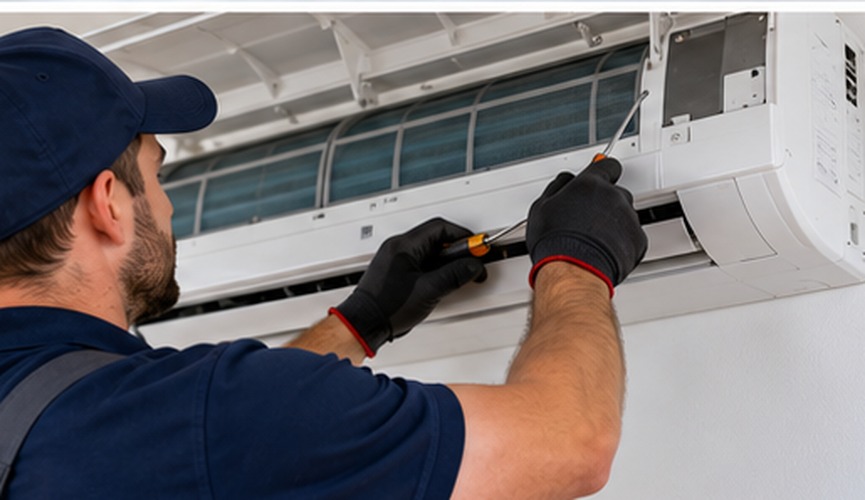
Step 2: Installing the Indoor Unit
The indoor unit is positioned and secured in an appropriate location, generally high on an internal wall.
Correct placement helps support effective airflow and allows convenient access for cleaning and servicing.
Step 3: Positioning the Outdoor Unit
The outdoor unit is installed on a suitable base or mounting brackets with adequate clearance for airflow and maintenance.
Its location should also account for drainage, accessibility and noise considerations.
Step 4: Connecting Pipework and Electrical Services
Refrigerant pipes, electrical connections and condensate drainage are installed between the indoor and outdoor units.
These tasks must be performed by appropriately licensed professionals in accordance with applicable Australian requirements.
Step 5: Testing and Commissioning
Once installation is complete, the technician checks the system’s operation, refrigerant circuit, drainage and electrical safety.
The installer should also explain the controls, basic maintenance requirements and recommended operating settings.
A straightforward split system installation typically takes several hours, while complex installations may require additional time.
Split System vs Ducted Air Conditioning: Which Is Better?
Both systems offer effective heating and cooling, but the most suitable option depends on your property and requirements.
| Feature | Split System | Ducted Air Conditioning |
| Installation Cost | Generally lower | Generally higher |
| Best Application | Individual rooms or selected zones | Multiple rooms or whole-home comfort |
| Installation Complexity | Usually simpler | More extensive |
| Temperature Control | Individual unit control | Central or zoned control |
| Appearance | Visible wall-mounted unit | Discreet ceiling vents |
| Maintenance | Individual units and filters | Central system, filters and ductwork |
For homeowners wanting an affordable solution for one or two rooms, split system air conditioning is often a sensible choice.
Larger homes requiring coordinated climate control across multiple spaces may benefit from a ducted system.
How to Maintain Your Split System Air Conditioner
Routine maintenance helps keep your air conditioner operating effectively and can reduce the risk of avoidable breakdowns.
Clean reusable air filters according to the manufacturer’s instructions, keep indoor vents unobstructed and ensure the outdoor unit has sufficient clearance for airflow.
It’s also important to check for unusual noises, water leaks or changes in system performance.
Professional servicing can identify developing faults, inspect critical components and help maintain reliable heating and cooling performance.
For frequently used systems, arranging regular professional servicing is a sensible preventative measure. The ideal frequency depends on usage, environment and manufacturer recommendations.
Frequently Asked Questions About Split System Air Conditioning
Is split system air conditioning expensive to run?
Running costs depend on the unit’s capacity, efficiency rating, temperature settings, local electricity tariffs and frequency of use. Modern inverter systems can be energy efficient when correctly sized and operated.
Can a split system heat and cool a room?
Yes. Reverse cycle split system air conditioners provide both heating and cooling, making them suitable for year-round use.
How long does a split system air conditioner last?
A well-maintained split system can often operate for approximately 10–15 years, although actual lifespan varies with equipment quality, environmental conditions, installation and servicing.
Can I install a split system air conditioner myself?
No, not as a complete DIY installation. Refrigerant handling and regulated electrical work require appropriately licensed professionals in Australia.
What is the best split system size for a bedroom?
A 2.5kW system may suit many smaller bedrooms, while larger rooms may require 3.5kW or more. A professional assessment is recommended to determine the correct capacity.
How often should split system air conditioning be serviced?
Many residential systems benefit from professional servicing approximately once a year, although requirements vary depending on usage, environmental conditions and manufacturer guidance. Filters may need cleaning more frequently.
Final Thoughts: Is Split System Air Conditioning Worth It?
For many Australian households, split system air conditioning provides an excellent balance of affordability, comfort and energy efficiency.
With flexible installation options, quiet operation and reverse cycle heating and cooling, these systems offer a practical solution for maintaining comfortable indoor temperatures throughout the year.
Whether you’re upgrading an older air conditioner, renovating your home or installing heating and cooling for the first time, selecting the right system capacity and having it professionally installed are essential.
Investing in quality equipment and reliable workmanship can help improve comfort, manage energy consumption and deliver dependable performance for years to come.
Professional Split System Air Conditioning Installation in Canberra & Queanbeyan
Looking for dependable split system air conditioning installation in Canberra, Queanbeyan or surrounding NSW areas?
At Infinite Air & Energy Solutions, our team provides professional air conditioning installation, servicing and electrical solutions for residential and commercial properties.
We can help assess your heating and cooling requirements, recommend a suitable system and provide an upfront quote for your installation.
Whether you’re considering a new reverse cycle split system or replacing an existing unit, we’re here to help you make the right choice for your property.
Contact Infinite Air & Energy Solutions today for a free quote and professional advice on your split system air conditioning installation.