
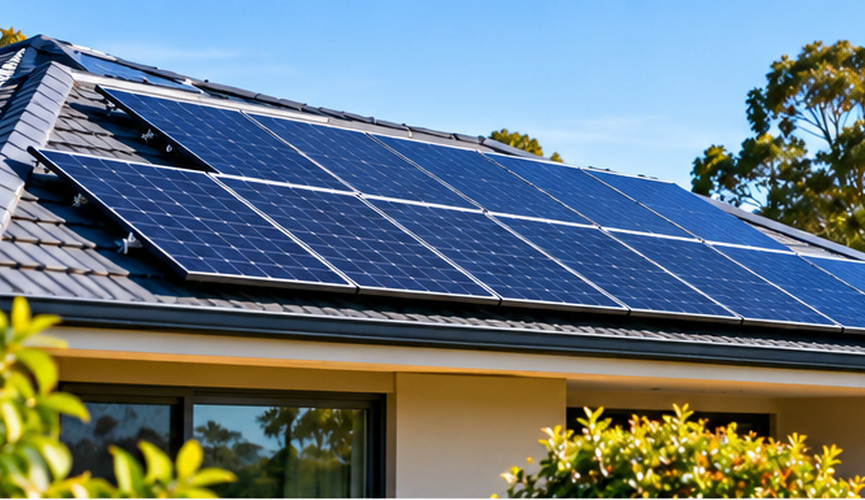
With electricity costs remaining a concern for Australian households, many Canberra homeowners are exploring solar power as a practical way to reduce their dependence on grid electricity.
Whether you’re building a new home, upgrading an existing property or planning to add a solar battery in the future, installing solar panels can provide long-term financial and environmental benefits.
However, one of the first questions homeowners ask is: How much does solar panel installation cost in Canberra?
The answer depends on several factors, including the size of the system, quality of equipment, roof conditions and electrical infrastructure.
A smaller solar system may be suitable for a household with modest electricity requirements, while a larger family home with reverse cycle air conditioning, electric hot water or an electric vehicle may benefit from additional generation capacity.
Understanding these differences can help you compare quotes and choose a system that suits your home.
Average Solar Panel Installation Cost in Canberra
The cost of installing solar panels varies depending on the capacity and specifications of the system.
As a general guide, the following price ranges reflect indicative Canberra installation costs in 2026, including GST and after the applicable federal STC discount.
| Solar System Size | Estimated Installation Cost |
|---|---|
| 5kW solar system | $4,000–$7,000 |
| 6.6kW solar system | $5,000–$9,000 |
| 8kW solar system | $6,500–$10,500 |
| 10kW solar system | $8,000–$13,000 |
| 13kW solar system | $10,000–$15,000 |
These prices are indicative market estimates, not fixed installation quotes. Actual costs may vary depending on the property, equipment selected and work required.
For many households, a 6.6kW system offers a useful starting point when considering solar panel installation in Canberra.
However, the cheapest system isn’t necessarily the most cost-effective choice. A properly sized installation with suitable components may provide better long-term value than a system selected purely on its upfront price.
What Factors Affect Solar Installation Cost?
Several factors influence the final price of a residential solar installation.
1. Solar System Size and Capacity
The size of a solar system is measured in kilowatts (kW), representing its rated generating capacity.
Larger systems generally require more panels, mounting equipment and potentially a higher-capacity inverter.
This increases the initial installation cost but may also allow the household to generate more electricity.
Choosing the right system size involves reviewing your electricity consumption, daytime energy usage, available roof space and future requirements.
For example, a household planning to install an electric vehicle charger or move from gas heating to electric heating may benefit from allowing for future electricity demand.
2. Solar Panel Quality and Efficiency
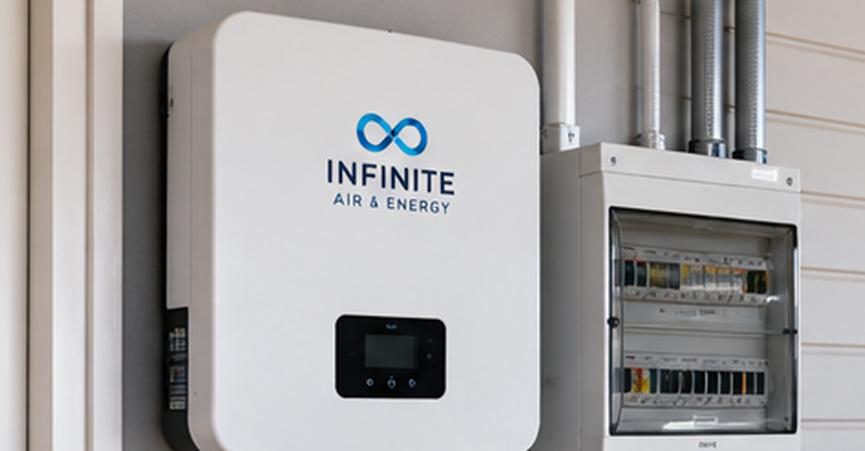
Solar panels are available from different manufacturers, with varying efficiency ratings, performance characteristics and warranties.
Higher-efficiency panels can generate more electricity from a given roof area, making them useful where installation space is limited.
Premium equipment may involve a higher upfront cost, but product quality, warranty support and expected performance should all be considered when comparing options.
A quality installer should explain the differences between available products and recommend components suited to your property.
3. Inverter Type and Performance
The inverter is an essential component of a solar power system.
It converts the direct current (DC) electricity generated by solar panels into alternating current (AC) electricity that can be used by household appliances.
Common options include string inverters, hybrid inverters and microinverters.
Each has different installation requirements, features and costs.
A hybrid inverter may be worth considering if you intend to add compatible battery storage, although battery integration requirements should be confirmed before installation.
4. Roof Type, Condition and Accessibility
Your roof can significantly influence the complexity of installing solar panels.
A straightforward installation on an accessible roof may cost less than a project involving steep roof pitches, multiple roof sections or restricted access.
Roofing materials, shading and the direction of the available roof surfaces can also affect system design.
If repairs or structural improvements are needed before installation, these may increase the overall project budget.
A professional roof assessment helps identify these considerations before work begins.
5. Electrical Upgrades and Additional Equipment
Some properties require additional electrical work to accommodate a new solar system.
Depending on the installation, this may involve switchboard improvements, protection devices, additional cabling or metering changes.
Network connection requirements can also influence the design and operation of the system.
A detailed quote should identify the equipment and electrical work included so homeowners understand the full solar installation cost.
What Size Residential Solar System Do You Need?
Selecting the right system size is one of the most important decisions when planning residential solar installation.
A smaller household with moderate electricity consumption may find a 5kW or 6.6kW system suitable.
Larger families, households with substantial daytime electricity demand or properties using multiple electric appliances may benefit from considering an 8kW or 10kW system.
However, bigger isn’t automatically better.
A system that generates considerably more electricity than your household can use may export a large proportion of its output to the grid.
Depending on your electricity retailer and feed-in tariff, exported electricity may earn less than the value of electricity you would otherwise purchase from the grid.
For this reason, residential solar systems should be designed around actual consumption patterns rather than roof space alone.
Reviewing recent electricity bills and discussing future energy requirements can help determine the most appropriate capacity.
Are Solar Panel Rebates Available in Canberra?
Government incentives can help reduce the upfront cost of installing eligible solar systems.
Federal Small-Scale Technology Certificates
Australia’s Small-scale Renewable Energy Scheme provides financial incentives for eligible rooftop solar installations through Small-scale Technology Certificates, commonly known as STCs.
The number of certificates depends on factors such as system capacity, installation location and the applicable deeming period.
In many cases, the value of these certificates is applied as an upfront discount by the installer.
As the scheme progresses towards 2030, the deeming period reduces each year, affecting the number of certificates available.
Homeowners should confirm that any quoted price clearly identifies the STC discount and whether the system meets the relevant eligibility requirements.
ACT Government Support
The ACT Government also provides assistance for certain eligible households through its energy-efficiency programs.
The Sustainable Household Scheme offers low-interest financing for various approved household energy upgrades, although standard rooftop solar installations are not generally eligible under its current arrangements.
Eligible concession card holders may qualify for rooftop solar rebates and assistance through the Home Energy Support Program.
Because eligibility criteria and available incentives can change, homeowners should confirm current conditions before including financial assistance in their installation budget.
How Much Can You Save with Solar Panels?
The potential savings from solar installation depend on how much electricity your system generates and how much of that electricity your household uses.
Solar power can reduce the amount of electricity purchased from the grid during daylight hours.
For example, households that run washing machines, dishwashers, electric hot water systems or other appliances while their solar panels are generating may be able to increase their direct solar consumption.
Any excess electricity exported to the grid may attract a feed-in tariff, depending on the electricity plan and network arrangements.
However, savings vary with electricity prices, system performance, consumption habits and seasonal conditions.
A solar installer should be able to provide a site-specific estimate of expected electricity production and potential financial returns.
These projections should be treated as estimates rather than guaranteed savings.
Is Solar Panel Installation Worth It in Canberra?
Canberra’s climate offers opportunities for rooftop solar generation throughout the year.
Although shorter winter days and seasonal weather conditions affect electricity production, appropriately designed solar systems can still generate renewable energy across all seasons.
For many households, the financial benefits come from reducing daytime electricity purchases and making better use of the energy generated on their roof.
Solar installation may also support broader home electrification plans, including reverse cycle heating and cooling, heat pump hot water and electric vehicle charging.
The suitability of solar depends on the property’s roof, electricity usage, budget and long-term plans.
Comparing installation costs with estimated annual savings can help homeowners assess potential payback periods.
Should You Install a Solar Battery at the Same Time?
Solar batteries allow some of the electricity generated during the day to be stored for later use.
This can help households use more of their own solar energy in the evening when rooftop generation has reduced.
However, installing a battery increases the initial project cost.
Battery suitability depends on electricity usage patterns, storage capacity, tariff arrangements, equipment compatibility and available incentives.
Some homeowners choose to install solar panels first and consider battery storage later.
Others may prefer to plan both systems together.
Whichever approach you choose, future battery requirements should be considered during the initial system design.
How to Choose the Right Solar Installer in Canberra
Choosing an appropriately qualified installer is essential for the safety, performance and reliability of a solar power system.
Look for a provider that assesses your electricity requirements, roof condition and electrical infrastructure before recommending equipment.
A comprehensive quotation should explain the system capacity, panel and inverter specifications, warranties, installation scope and anticipated electricity generation.
It’s also important to confirm the relevant licensing and Solar Accreditation Australia accreditation requirements.
Avoid selecting an installer based only on the lowest advertised price.
Quality workmanship, suitable components and clear after-sales support can be important factors in the long-term performance of your investment.
Planning Your Solar Installation with Infinite Air & Energy Solutions
If you’re considering solar panel installation in Canberra, understanding your property’s electrical requirements and overall energy goals is an important starting point.
Infinite Air & Energy Solutions focuses on heating, cooling, electrical and energy-related solutions for residential and commercial customers in the Canberra region.
When planning a solar project, it’s worth considering how rooftop generation may work alongside other household energy upgrades, including reverse cycle air conditioning, battery storage and electric vehicle charging.
A properly designed electrical and energy system can help you make informed decisions about the equipment required for your home.
Before proceeding, confirm the availability and scope of solar installation services, system options and any required accredited installation arrangements directly with the business.
Explore Solar Panel Installation in Canberra
Installing solar panels can be an effective way to reduce reliance on grid electricity and take greater control of household energy consumption.
The overall solar installation cost depends on system size, component quality, roof conditions, electrical requirements and available incentives.
Choosing an appropriately designed system is essential for balancing upfront costs with long-term performance.
If you’re planning to explore residential solar systems or improve your home’s energy efficiency, obtaining professional advice can help you understand your options.
Contact Infinite Air & Energy Solutions to discuss your home’s energy needs and enquire about available solar and electrical solutions.