
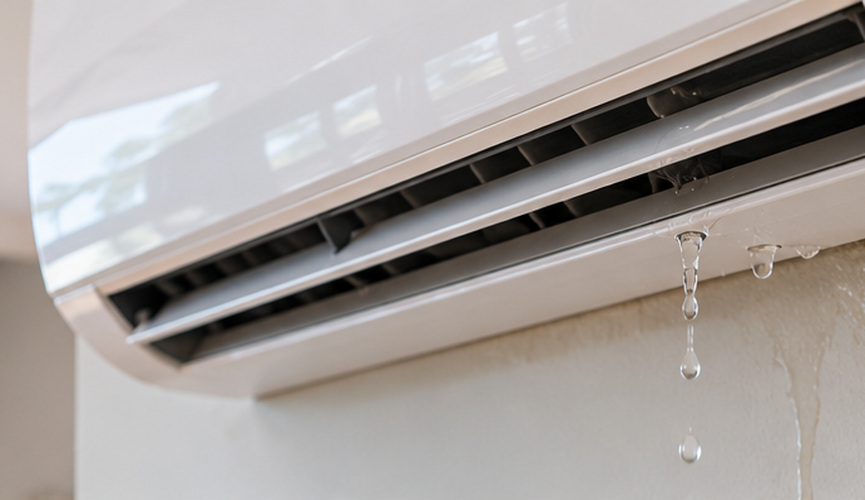
Air conditioning is an important part of keeping homes and workplaces comfortable throughout Canberra’s changing seasons. Whether you’re cooling your living room during summer or relying on a reverse cycle system for year-round comfort, your air conditioner should operate without causing water damage.
However, finding a puddle beneath an indoor unit, noticing moisture running down a wall or discovering a damp patch on the ceiling can quickly become a concern.
An air conditioner leaking water doesn’t necessarily mean the entire system has failed. In many cases, the problem involves condensation that isn’t draining away correctly.
A blocked drainage pipe, dirty filter or installation issue may be responsible. Other faults can require more detailed testing.
Understanding the possible causes can help you identify early warning signs, take appropriate precautions and arrange professional air conditioning repairs before the problem becomes more serious.
Why Does an Air Conditioner Produce Water?
Air conditioners naturally remove moisture from indoor air during the cooling process.
As warm air passes over the cold evaporator coil, moisture condenses into water droplets. These droplets collect in a drainage tray before flowing through a condensate drain pipe to a suitable discharge point.
This is a normal part of the cooling cycle and helps reduce indoor humidity.
The problem begins when water cannot move through the drainage system as intended.
If the drain becomes blocked, the tray is damaged or the unit isn’t positioned correctly, water may accumulate and overflow into the room.
It’s important to distinguish between normal condensation and an indoor water leak.
Some water dripping from an outdoor unit or discharge pipe can be normal, depending on the system’s operating mode and weather conditions. However, water running down an indoor wall or dripping through a ceiling should be investigated.
Common Reasons Your Air Conditioner Is Leaking Water
Several problems can cause air conditioning systems to leak indoors. Identifying the source is important because each issue requires a different solution.
1. Blocked AC Drain
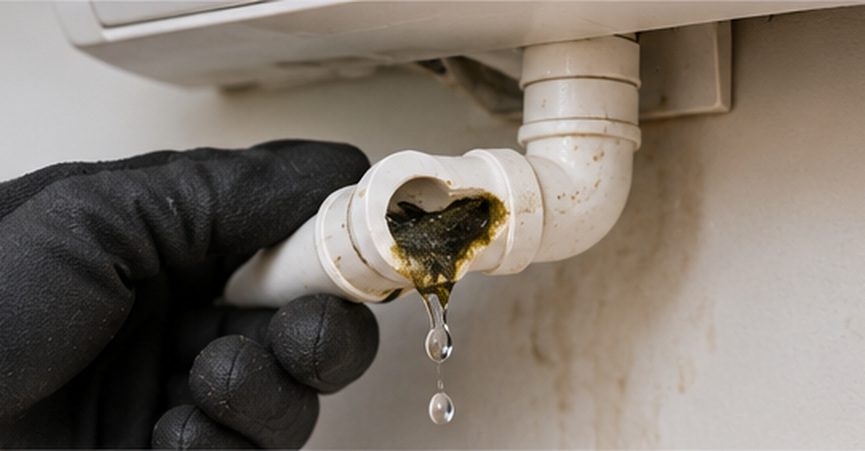
One of the most common causes of an indoor air conditioning leak is a blocked AC drain.
The condensate drain carries moisture away from the indoor unit. Over time, dust, dirt, algae and other debris can accumulate inside the pipe.
When the blockage restricts water flow, condensation may collect in the drainage tray until it overflows.
You might notice water dripping from the front or underside of your split system, damp marks on the wall or a musty smell coming from the vents.
A technician can inspect the drainage system, identify the obstruction and clear it using appropriate equipment.
Professional drain cleaning can also help determine whether the pipe has been damaged, disconnected or incorrectly positioned.
2. Dirty or Blocked Air Filters
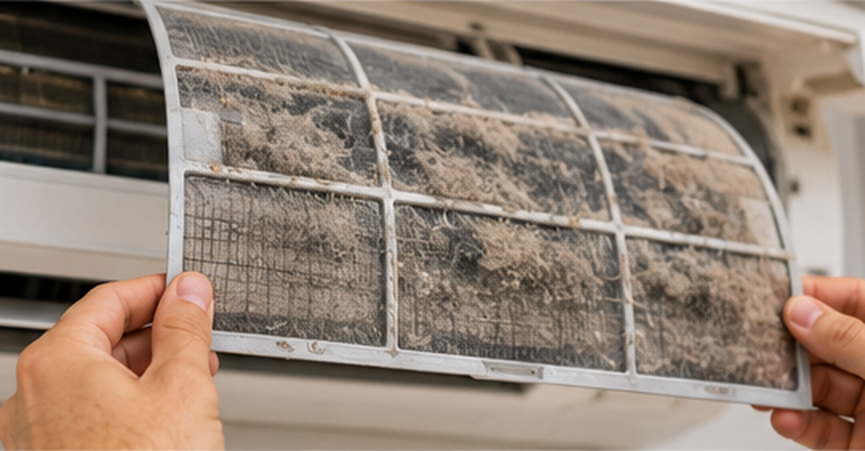
Air filters capture dust and airborne particles as air circulates through the system.
When filters become heavily clogged, they restrict airflow across the evaporator coil.
Reduced airflow can cause the coil temperature to drop excessively, allowing ice to form.
Once the system switches off or the ice begins to thaw, the resulting water may overwhelm the drainage tray.
Regular filter cleaning is an important maintenance task, particularly in homes with pets, dust exposure or frequent air conditioner use.
However, if the coil continues freezing after the filters have been cleaned, professional inspection is recommended.
3. Frozen Evaporator Coils
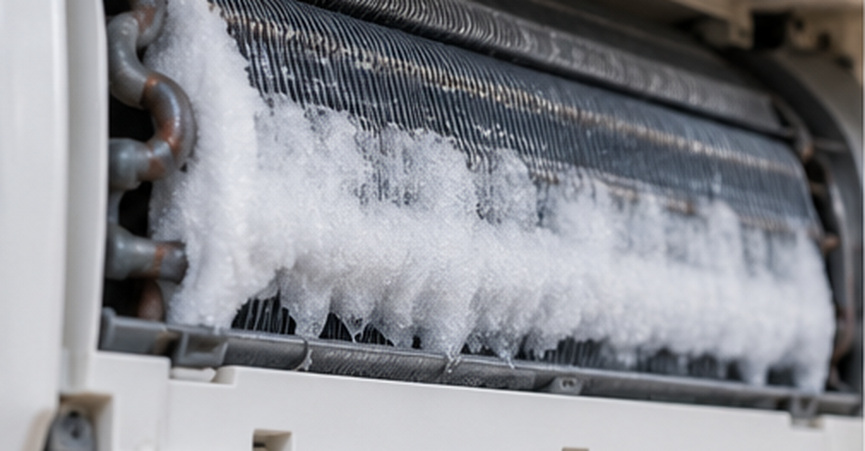
A frozen evaporator coil can cause significant water leakage once the ice melts.
While dirty filters are one possible cause, freezing may also occur because of restricted airflow, fan problems or certain refrigerant-related faults.
Common warning signs include reduced cooling performance, weak airflow and visible ice around accessible components.
If you suspect the evaporator is frozen, turn off the cooling function and arrange an inspection rather than repeatedly restarting the system.
A qualified technician can investigate the underlying cause and recommend appropriate repairs.
4. Damaged or Overflowing Drain Pan
The condensate tray collects water before it enters the drainage pipe.
If the tray becomes cracked, damaged or poorly positioned, water may leak even when the drain line itself is clear.
Debris accumulating in the tray can also interfere with drainage.
An inspection can determine whether cleaning, adjustment or replacement is required.
Because the tray is often located inside the indoor unit, accessing it may involve removing protective panels and should be left to an appropriately trained technician.
5. Incorrect Installation or Drainage Pipe Position
Proper installation is essential for effective condensate drainage.
If the indoor unit or drainage pipe doesn’t have the required fall, water may not flow away as intended.
A drain hose that is kinked, disconnected or incorrectly routed can also cause water to collect inside the unit.
These problems may become noticeable shortly after installation or after maintenance work has been completed.
Professional air conditioning repairs can help identify installation-related faults and correct the drainage arrangement.
What Should You Do If Your Air Conditioner Is Leaking Water?
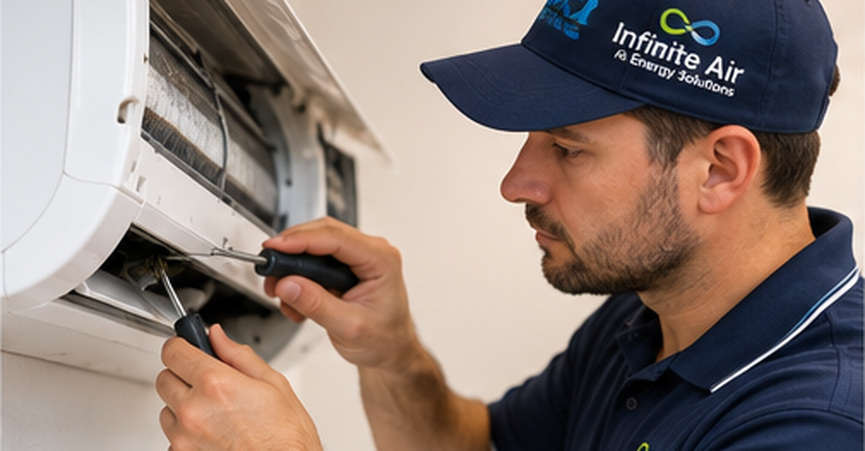
If you notice water dripping from your indoor air conditioner, taking a few sensible precautions can help prevent further problems.
Step 1: Switch Off the Air Conditioner
Turn the system off using the controller or remote.
If water is near electrical components, power outlets or wiring, avoid touching the affected area and arrange professional assistance.
Continuing to operate a leaking unit may increase moisture damage to nearby surfaces.
Step 2: Protect the Surrounding Area
Where safe, place a container or towels beneath the leaking area to collect water.
Move furniture, rugs and electrical appliances away from the affected space.
If the leak is coming through a ceiling, treat the situation seriously because water may have accumulated above the plasterboard.
Step 3: Check Accessible Air Filters
Once the unit has been safely switched off, inspect the accessible filters according to the manufacturer’s instructions.
If they are dirty, clean or replace them as recommended.
Allow washable filters to dry completely before reinstalling them.
Avoid dismantling internal electrical or refrigeration components.
Step 4: Check for Obvious Drainage Problems
If the outdoor condensate outlet is easily visible and safely accessible, look for obvious obstructions, disconnected piping or unusual water accumulation.
Do not attempt to flush hidden drainage pipes using chemicals or high-pressure equipment without appropriate knowledge.
If the leak continues, arrange a professional inspection.
Step 5: Book Professional Air Conditioning Repairs
Persistent water leakage usually requires a technician to identify the underlying problem.
A professional inspection can help determine whether the issue involves a blocked AC drain, restricted airflow, damaged components or another fault.
Prompt repairs can reduce the risk of recurring leaks and unnecessary property damage.
Why You Shouldn’t Ignore an Air Conditioning Water Leak
A small drip may seem harmless initially, but ongoing moisture can create problems around your home.
Water leaking onto plasterboard, timber flooring, carpet or cabinetry can cause staining and deterioration.
Persistent dampness may also encourage mould growth in affected building materials.
Where water reaches electrical equipment or wiring, additional safety concerns may arise.
Ignoring the underlying fault can also allow other air conditioning problems to continue.
For example, if water leakage is caused by a frozen evaporator coil, the system may already be operating inefficiently because of restricted airflow or another cooling fault.
Arranging timely air conditioning repairs helps address the source rather than repeatedly dealing with the visible water.
How to Prevent Air Conditioner Water Leaks
Although not every leak can be prevented, regular maintenance can reduce the likelihood of common drainage problems.
Cleaning air filters according to the manufacturer’s recommendations is one of the simplest steps homeowners can take.
It’s also worth keeping accessible outdoor drainage outlets clear of leaves and debris, provided this can be done safely.
Regular professional servicing can include inspecting the condensate drainage system, checking airflow and examining components for signs of wear or damage.
If your air conditioner has leaked previously, mentioning that history during the service appointment can help the technician investigate possible recurring faults.
Preventative maintenance is particularly valuable for commercial air conditioning systems, where unexpected downtime may disrupt business operations.
Why Air Conditioning Maintenance Matters in Canberra
Canberra experiences warm summers and cold winters, making reliable heating and cooling important for households and businesses.
Reverse cycle air conditioners are often used throughout the year, although the amount and location of condensation can vary depending on whether the system is heating or cooling.
During summer cooling, higher moisture levels in the air may increase the amount of condensation produced by the indoor unit.
If the drainage system is already partially blocked, increased condensation can make an existing problem more noticeable.
Seasonal servicing helps prepare equipment for periods of increased use and provides an opportunity to identify drainage or airflow issues before they become inconvenient.
Whether you operate a wall-mounted split system, ducted air conditioning or commercial HVAC equipment, maintaining the system can contribute to reliable performance.
Why Choose Infinite Air & Energy Solutions?
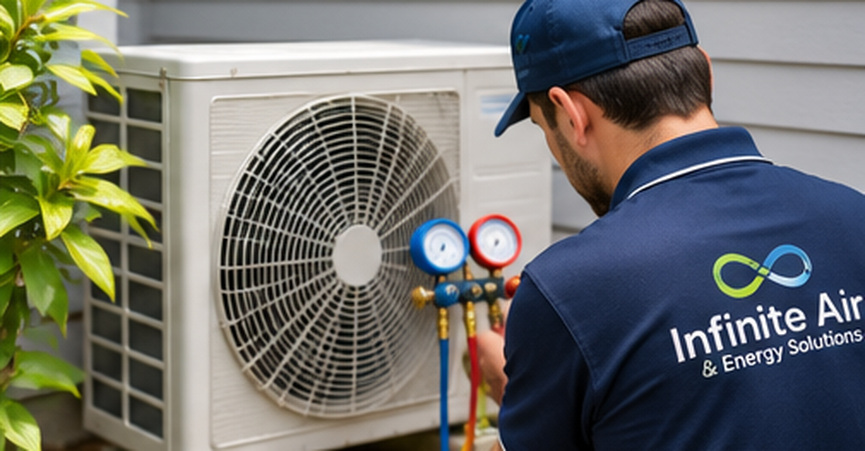
When dealing with an air conditioner leaking water, identifying the actual cause is essential.
Infinite Air & Energy Solutions provides air conditioning installation, servicing and repair solutions for residential and commercial customers in the Canberra region.
The company’s services include split system air conditioning, ducted systems and commercial HVAC work.
Whether the issue involves drainage, airflow or another air conditioning fault, a professional assessment can help determine the appropriate next steps.
Rather than relying on temporary fixes, the goal is to identify why the water leak occurred and address the underlying problem.
Regular servicing can also help identify developing faults and support efficient system operation.
Book Professional Air Conditioning Repairs in Canberra
Finding water beneath your air conditioner can be concerning, but understanding the possible causes can help you respond appropriately.
A blocked AC drain, dirty filter, frozen coil or damaged condensate tray may be responsible for the problem.
While basic filter maintenance can sometimes help, persistent leaks should be assessed by a qualified technician.
If your air conditioning system is dripping water, struggling to cool properly or repeatedly developing drainage problems, arranging professional assistance is the sensible next step.
Contact Infinite Air & Energy Solutions today to discuss your air conditioning concerns and enquire about servicing or repairs.